Invest in High-Growth Locations
Location remains one of the most important factors influencing a property’s value and future appreciation. Properties located near schools, hospitals, IT parks, industrial zones, transportation networks, shopping centers, and upcoming infrastructure projects generally perform better than those in less developed areas. Investing in emerging neighborhoods before they become fully developed often provides significant appreciation over time. Researching local development plans and future infrastructure projects can help investors identify high-potential locations early.
Prioritize Positive Cash Flow
Generating positive cash flow is essential for long-term investment success. Rental income should comfortably cover loan repayments, maintenance costs, taxes, insurance, and other property-related expenses while leaving room for profit. A property with consistent rental demand provides financial security, even during periods of market uncertainty. Before making any purchase, carefully estimate expected rental income and ongoing costs to ensure the investment remains financially sustainable.
Diversify Your Real Estate Portfolio
Diversification is an effective strategy for reducing investment risk. Rather than investing all available capital in a single property, consider spreading investments across residential, commercial, rental, or mixed-use properties. Different property types often perform differently under varying market conditions, helping balance income and capital growth. A diversified portfolio also reduces the financial impact if one segment experiences temporary slowdowns.
Monitor Economic and Market Trends
Real estate markets are influenced by several economic factors, including interest rates, inflation, employment levels, population growth, and government policies. Staying updated with these indicators helps investors make informed decisions and identify emerging opportunities before they become widely recognized. Regularly reviewing market reports, infrastructure announcements, and regional development plans allows investors to adapt their strategies according to changing conditions.
Conduct Thorough Due Diligence
Before investing, always verify legal documents, ownership records, approvals, and property titles. Assess the construction quality, neighborhood infrastructure, maintenance requirements, and future development prospects. Proper due diligence protects investors from legal disputes and unexpected expenses while ensuring the property aligns with their financial goals. Consulting experienced real estate professionals can further simplify the buying process and reduce investment risks.
Adopt a Long-Term Investment Approach
While short-term market fluctuations are inevitable, real estate has historically rewarded investors who remain patient. Holding quality properties over multiple market cycles allows investors to benefit from appreciation, increasing rental demand, and growing property values. Instead of making emotional decisions based on temporary market conditions, focus on long-term financial objectives and invest in properties with strong growth potential. A disciplined investment strategy often delivers more consistent returns than attempting to predict short-term market movements.
Conclusion
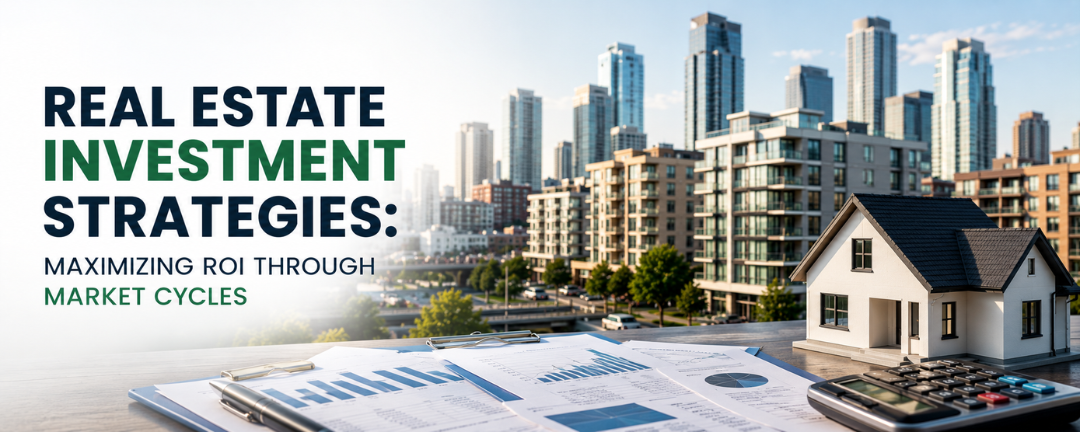
Maximizing ROI in real estate is all about understanding market cycles and making smart investment decisions. By choosing the right location, maintaining positive cash flow, diversifying your investments, conducting proper due diligence, and focusing on long-term growth, you can build lasting wealth while reducing investment risks. Staying informed about market trends and economic developments also enables you to make confident and profitable property decisions.
Whether you are a first-time homebuyer or an experienced investor, partnering with a trusted Real estate company in North Karnataka can help you identify the best investment opportunities and make informed decisions. Seacon Properties provides expert guidance, verified property options, and personalized support to help you achieve your real estate goals. To explore premium properties and investment opportunities, visit https://seaconproperties.com/.